
The 15-Year Roof Rule: Why an Older Roof Can Stall a Florida Home Sale
What Florida's roof-age insurance rule means for sellers, and how to get ahead of it before you list
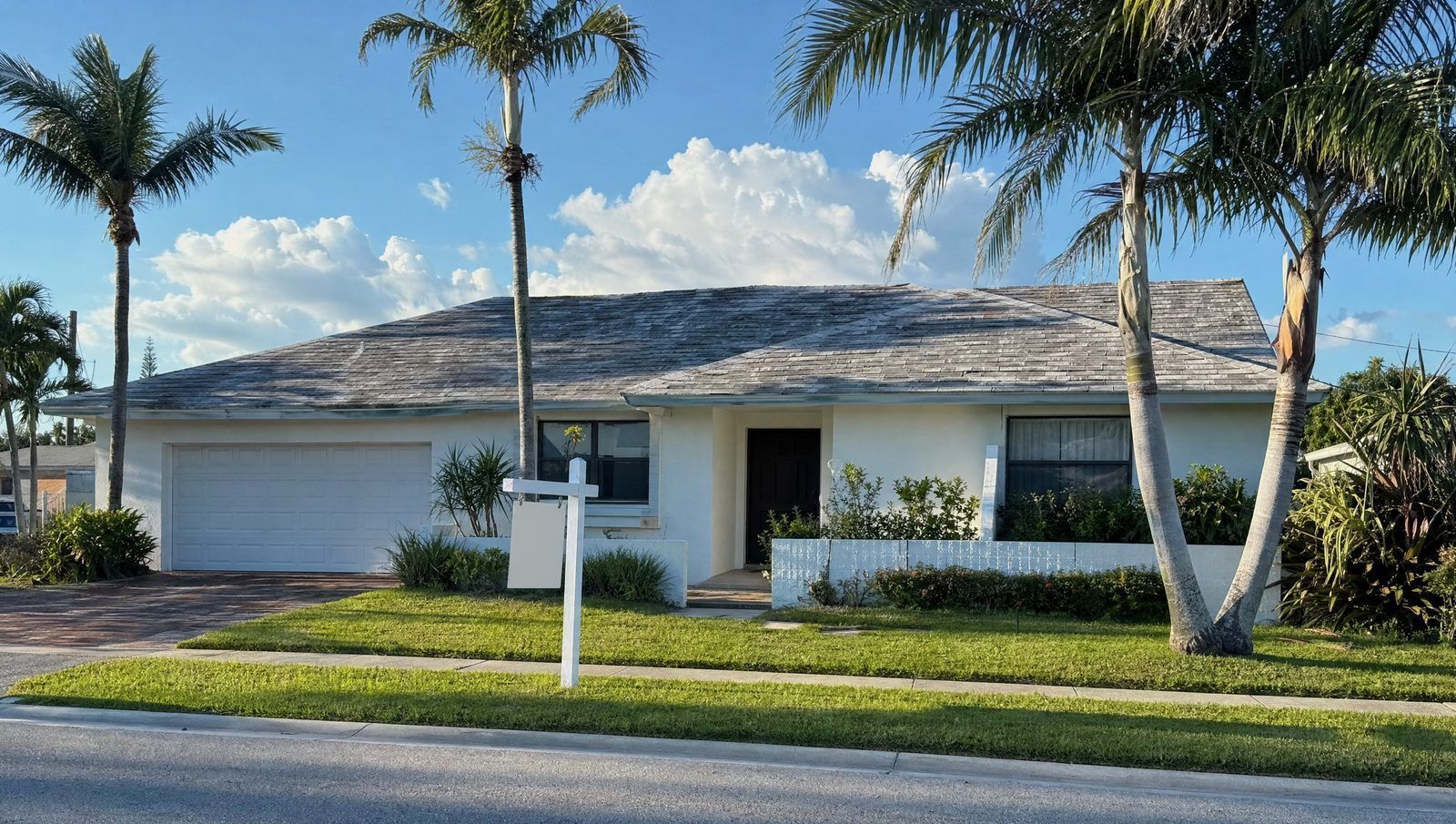
If you're thinking about selling your Delray Beach home, the age of your roof matters more than most people expect. In Florida, an older roof can be the difference between a smooth closing and a buyer who walks away two weeks before the finish line.
The reason isn't curb appeal. It's insurance. Here's how the so-called 15-year roof rule works, why it hits buyers harder than sellers realize, and what you can do about it before you list.
What the 15-Year Roof Rule Actually Says
The rule comes from Florida Statute 627.7011, updated in 2022. It says an insurer can't refuse to write or renew a homeowner's policy solely because the roof is less than 15 years old.
Once a roof passes 15, the protection changes. The homeowner can pay for an inspection by a licensed inspector or contractor, and if it shows at least five years of useful life left, the insurer can't turn the policy down on age alone. Roof age is counted from the last time the whole roof was replaced, not from a patch or partial repair.
Notice the word "solely." Insurers can still weigh the roofing material, storm history, and overall condition. A 16-year-old shingle roof with curled edges and soft spots isn't going to pass just because the law exists.
Why Buyers Feel It More Than Sellers
You may have kept your current policy for years without trouble. Your buyer is starting from scratch, and almost every lender requires proof of homeowners insurance before closing.
If the buyer's agent can't find a carrier willing to bind a policy on a 17-year-old roof, the loan stalls. That's when you start hearing requests for credits, price cuts, or a new roof as a condition of the sale.
Cash buyers have more room, but they know the math too. They'll price a replacement into their offer, usually at the top of the estimate range.
Get Ahead of It With a Roof Inspection
The cheapest move is often a roof inspection before you list. A written report showing five or more years of remaining life gives a buyer's insurance agent something concrete to work with.
If your home is older, ask about a 4-point inspection at the same time, since many carriers want one anyway. Keep your roof permit history handy too, because the date of the last full replacement is what counts.
If the inspection turns up problems, you'll know early. Fixing flashing, replacing cracked tiles, or sealing a leak around a vent is far easier to schedule now than in the middle of a contract.
Repair, Replace, or Sell As-Is
For some owners a full replacement makes sense, especially if the roof is near the end of its life and the rest of the home is in good shape. A new roof becomes a selling point, and it can open up better insurance pricing for the buyer.
For others, the numbers don't work. Between rising premiums and the cost of a reroof, a lot of Florida homeowners are deciding to sell and move somewhere with lower carrying costs. The Carolinas come up constantly, and this Florida to South Carolina relocation guide lays out what that move looks like, including how the 15-year rule factors into the decision to sell.
Selling as-is is also an option, but expect a smaller pool of buyers. Price it honestly and disclose the roof's age up front so nobody is surprised at the insurance step.
A Simple Checklist Before You List
Find your roof's real age. Check your permits or the county's records for the date of the last full replacement.
Book an inspection. Get a written report on remaining useful life from a licensed inspector or roofer.
Fix the small stuff. Take care of leaks, loose flashing, and damaged shingles or tiles before buyers see them.
Talk to an insurance agent early. Ask what carriers will want for a roof your age so you're not guessing.
If you're in Delray Beach and want a straight answer on how much life your roof has left, we're happy to take a look. Knowing where you stand before you list is a lot less stressful than finding out during escrow.